My name is Peter.
For many years, my parents watched me slowly become a person they no longer recognized.
Before I got married, I was a confident man. I spoke my mind, made decisions for my family, and was known among friends as someone who stood firm in difficult situations.
But after my marriage, everything changed.
At first, nobody noticed.
My wife and I appeared happy to everyone outside. We attended family gatherings together, smiled for photographs, and acted like any other couple.
But inside our home, things were different.
Slowly, I became quiet.
I stopped sharing my opinions.
I avoided arguments.
I felt like I was losing control of my own life.
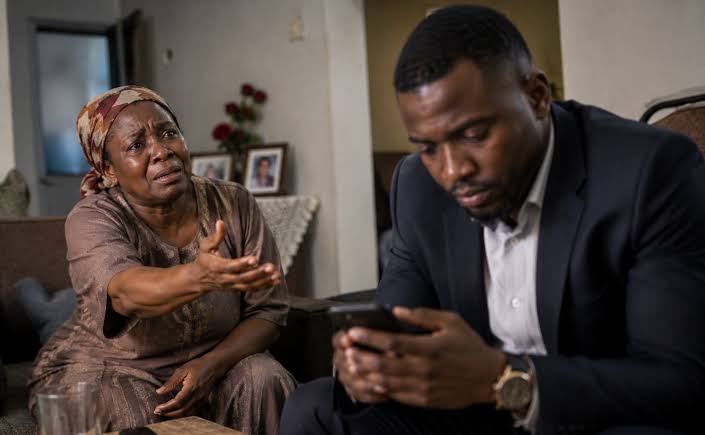
My parents noticed the change whenever they visited.
“Son, what is happening to you?” my mother would ask.
I would look down and say nothing.
It was not that I did not want to speak.
I felt unable to explain what was happening inside me.
Over time, rumours began reaching my parents that my wife was involved with other men outside the marriage.
They were confused and heartbroken.
They noticed situations where my wife would disappear for long periods, yet I seemed unable to confront the situation.
My father once asked me directly:
“Do you know what is happening in your own home?”
I wanted to answer.
I wanted to express my pain.
But I remained silent.
My parents felt helpless watching their son struggle while appearing unable to defend himself or make decisions.
They tried talking to relatives.
They tried encouraging me to seek counselling.
But the situation continued.
One day, my parents decided to seek traditional guidance from a healer in Kisumu known in their community for helping people through cultural reflection and cleansing practices.
They visited Dr. Magongo and explained everything they had witnessed.
They spoke about their son’s change, the family tension, and their fears.
The healer listened carefully.
He explained that, according to traditional beliefs, some families interpret deep personal struggles as spiritual burdens requiring cleansing and restoration. He also encouraged the family to seek truth, communication, and support.
A symbolic cleansing ceremony was prepared.
Traditional items were arranged as symbols of renewal.
A calabash filled with clean water represented washing away pain and beginning again.
Fresh herbs were used as symbols of healing and restoration.
A white cloth represented peace and a new chapter.
A wooden staff symbolized strength, guidance, and standing firmly again.
A mixture of traditional leaves and natural materials was prepared as part of the cultural cleansing process.
During the ceremony, prayers were offered for clarity, courage, and family restoration.
Afterward, my parents encouraged me to open my heart and speak honestly about what I was experiencing.
Slowly, something began changing.
For the first time in a long time, I started expressing my thoughts.
I spoke with my parents.
I admitted that I had been unhappy and afraid of confronting the problems in my marriage.
I began seeking support and rebuilding my confidence.
The silence that had surrounded me started disappearing.
Eventually, my wife and I faced the truth about our relationship.
Difficult conversations happened.
The family sought guidance.
Decisions were made about the future of the marriage.
For the first time in years, I felt that my voice had returned.
My parents were relieved to see their son becoming himself again.
Looking back, I believe the cleansing ceremony became a powerful turning point because it gave our family a moment to reflect, seek peace, and confront painful issues that had been ignored for too long.
The greatest healing was not only about what happened during the ceremony.
It was about finding courage, speaking openly, and taking responsibility for rebuilding my life.
Today, I no longer live in silence.
I understand that every person deserves respect, honesty, and the freedom to make choices about their own future.