
My name is Peter.
There is one mistake I made that I will never forget.
It happened on a normal afternoon when I thought I was doing something simple — sending money to my sister who was waiting to pay urgent school fees for her children.
I checked the number quickly.
I entered the amount.
KSh 45,000.
I pressed send.
A few seconds later, the confirmation message arrived.
I looked at the number again.
My heart dropped.
The money had gone to the wrong person.
At first, I thought it was just a small mistake that could be corrected immediately.
I called the number.
A man answered.
I explained politely.
“I have accidentally sent you money. Please help me return it.”
I expected him to understand.
I explained that the money was important and that my family was depending on it.
At first, he said he would check.
I waited.
Minutes passed.
Then hours.
When I called again, his phone was unreachable.
I sent messages.
I pleaded with him.
I wrote:
“Please remember this money is not yours. It belongs to someone who needs it.”
But there was no reply.
Days passed.
The situation became stressful.
The money I had saved for an important purpose was now in someone else’s hands.
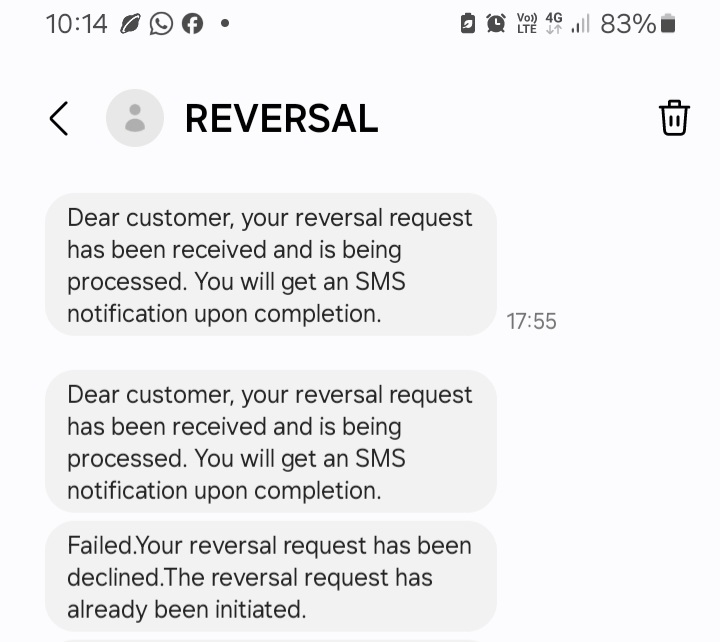
I reported the matter and followed the official steps available, but the process was slower than I expected.
The frustration started affecting my daily life.
I kept thinking about how one person’s decision could create such pain for another family.
I became angry.
I wanted the person to understand the seriousness of what he had done.
An elder in my family noticed my frustration and encouraged me to seek guidance from Dr. Magongo in Kisumu as part of a traditional consultation and reflection process.
I went and shared my story.
I explained the mistake, the unanswered calls, and the anger I carried.
Dr. Magongo listened carefully.
He reminded me that seeking justice should not mean losing my own peace.
He encouraged me to focus on restoration, accountability, and making wise decisions.
A symbolic cleansing process was prepared.
A red cloth represented the seriousness of the situation and the emotional pain caused by the loss.
A red thread represented reconnecting what had been separated and seeking a solution.
A piece of garlic (kitunguu saumu) represented strength and protection in the cultural symbolism of the ceremony.
A calabash of water represented calmness and renewal after a stressful experience.
During the ceremony, I reflected on the importance of patience and handling difficult situations without allowing anger to control me.
The following day, something unexpected happened.
My phone rang.
It was the man who had received the money.
His voice was different.
He sounded worried.
He said he had been thinking about the situation and wanted to resolve it.
He apologized for ignoring my calls.
He admitted that keeping money that was not his had caused him stress.
I told him I did not want conflict.
I only wanted what belonged to me returned.
After several conversations, he agreed to send back the money and apologize for the trouble caused.
When I received the confirmation message, I felt relieved.
The money mattered, but the lesson mattered even more.
I learned that mistakes can happen to anyone, but honesty determines how people respond.
I also learned that anger can take away your peace if you allow it to control you.
Today, whenever I send money, I double-check every detail.
And whenever I hear someone has received money by mistake, I remind them:
“Someone on the other side may be depending on that money for something important.”
A small act of honesty can save another person from a big pain.